Consider How the Wildflowers Grow PNG: A Guide to High-Quality Digital Design
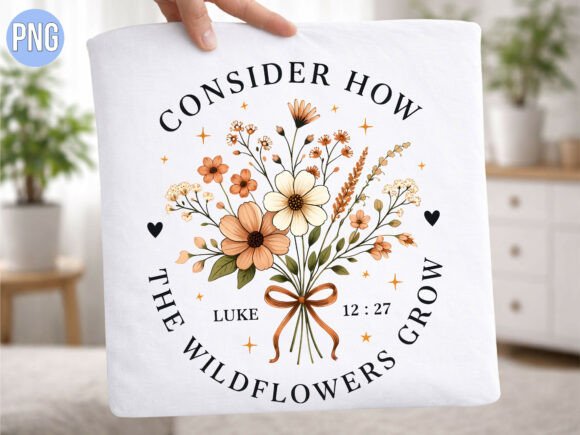
In the bustling world of digital crafting and print-on-demand entrepreneurship, the difference between a product that sells and one that gathers dust often comes down to file quality. When you consider how the wildflowers grow PNG designs fit into your creative workflow, you are not just looking for a pretty image; you are seeking a reliable asset that maintains its integrity across various mediums. This specific design file offers a premium-quality digital experience, carefully crafted to deliver smooth, professional, and eye-catching results. However, many creators overlook the technical nuances that make such files valuable, leading to frustrating outcomes in their final products.
Understanding the Value of High-Resolution Assets
The core appeal of this listing lies in its technical specifications. It includes a single PNG file with a transparent background, rendered at 300 DPI (dots per inch). For those new to digital design, these numbers are not arbitrary; they are the foundation of professional printing. A common misunderstanding among beginners is assuming that any image found online can be printed on a t-shirt or mug with satisfactory results. This is rarely the case. Low-resolution images, typically saved at 72 DPI for web use, appear pixelated and blurry when enlarged for physical products.
By choosing a file specifically optimized at 300 DPI, you ensure that your final products look clean, sharp, and vibrant every time. The transparent background is equally critical. It allows for easy placement on any surface or product color without the awkward white box that often plagues amateur designs. Whether you are working on personal crafts or running a serious print-on-demand business, this level of preparation saves hours of editing time and prevents costly reprints.
Common Mistakes in File Selection and Usage
Even with access to high-quality assets like the Consider How the Wildflowers Grow design, creators often stumble during the application phase. One frequent error is ignoring the color profile of the design relative to the product base. For instance, placing a delicate, light-colored floral design on a dark navy t-shirt without proper adjustment can result in poor visibility. While the PNG format supports transparency, it does not automatically adjust contrast for different fabric colors.
Another overlooked detail is the handling of the downloaded file. Your purchase arrives as a compressed .ZIP folder. Many users, particularly those less tech-savvy, attempt to use the file directly from within the zip archive or on mobile devices that do not handle extraction well. This can lead to corrupted data or an inability to open the file in design software. Always extract or unzip the folder immediately after downloading to a dedicated project directory on your computer. This simple step ensures the file remains intact and accessible for all your creative projects.
The Pitfall of Incorrect Scaling
Scaling is where many DIY enthusiasts face issues. Because this file is high resolution, it can be scaled up significantly without losing quality. However, scaling it down too much for small items like stickers or planner decals requires attention to detail. If you shrink the design excessively, fine lines in the wildflower illustrations may disappear or merge, reducing the clarity of the artwork. Conversely, stretching the image beyond its original aspect ratio will distort the flowers, making them look unnatural and unprofessional.
To avoid this, always maintain the aspect ratio when resizing. Use the corner handles in your design software rather than the side handles, which often stretch the image unevenly. Check your preview at 100% zoom to ensure that the edges of the petals and leaves remain crisp. This attention to detail distinguishes a hobbyist project from a market-ready product.
Maximizing Versatility Across Products
This file is versatile and designed to make your creative process easier and more enjoyable. It is ideal for creating custom products such as mugs, t-shirts, stickers, tumblers, greeting cards, scrapbooks, planners, and home décor items. However, each of these applications has unique requirements. For example, sublimation printing on tumblers requires a mirror image of the design before printing, a step often forgotten by first-time users. Similarly, direct-to-garment (DTG) printing on t-shirts may require a white underbase for darker fabrics, which is handled by the printer but depends on your file’s transparency being flawless.
When using this design for paper goods like greeting cards or scrapbooks, consider the paper texture. A glossy finish will make the vibrant colors pop, while a matte finish may mute them slightly. Understanding how your medium interacts with the digital file allows you to make informed decisions about paper stock and ink types. This proactive approach reduces waste and increases customer satisfaction if you are selling these items.
What to Check Before You Start Creating
Before diving into your next project, take a moment to evaluate your setup. Ensure your design software supports PNG files with transparency. Most modern programs like Adobe Photoshop, Illustrator, Canva, and Procreate handle these files seamlessly, but older or basic viewers might display a black or white background instead of transparency. If you see a solid background, check your software settings to ensure the transparency grid is enabled.
Additionally, verify the intended use rights. While this listing provides a premium-quality digital design file for personal and commercial use in physical products, it is essential to understand that you are purchasing the file, not the copyright to the artwork itself. You cannot resell the digital file as your own clipart or claim ownership of the original illustration. Using the file correctly respects the creator’s work and protects your business from legal issues.
- Check Resolution: Confirm the file is 300 DPI before starting your design layout.
- Verify Transparency: Ensure the background is truly transparent in your software.
- Extract Properly: Unzip the folder completely before opening the PNG.
- Maintain Aspect Ratio: Resize without distorting the wildflower shapes.
- Test Print: Always do a test print on a similar material to check color accuracy.
Enhancing Your Creative Workflow
Integrating high-quality assets like the Consider How the Wildflowers Grow PNG into your workflow can significantly boost efficiency. Instead of spending hours creating complex floral illustrations from scratch, you can focus on layout, typography, and product presentation. This shift allows you to produce more designs in less time, increasing your output potential for seasonal sales or custom orders.
For educators and bloggers, this design can enhance visual content, making tutorials or articles more engaging. For small business owners, it offers a consistent aesthetic that can be applied across branding materials, from packaging inserts to social media graphics. The key is consistency. Using the same high-quality design elements across different platforms builds brand recognition and trust with your audience.
In conclusion, the value of this digital download extends beyond the immediate visual appeal. It represents a tool for professional growth, offering reliability and ease of use. By avoiding common pitfalls such as improper file handling, incorrect scaling, and neglecting color contrasts, you can leverage this asset to create stunning, market-ready products. Take the time to understand the technical aspects, and you will find that your creative process becomes not only easier but also more rewarding. Start using your file right away without any hassle, and watch your projects flourish with the same natural beauty as the wildflowers depicted in the design.